My Best Friend (2023)
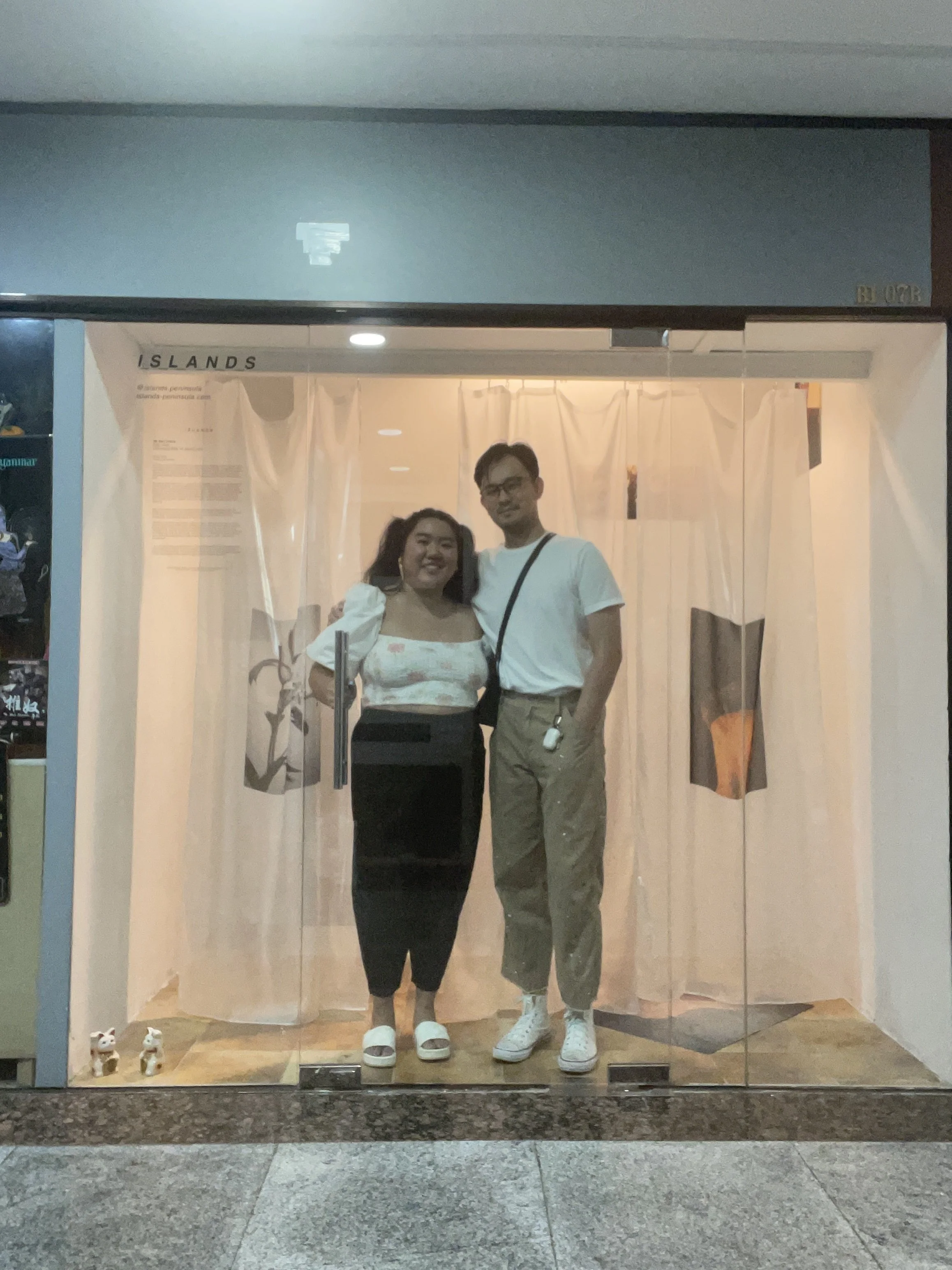
I_S_L_A_N_D_S PENINSULar gallery, Singapore
Curatorial text co-written by Dylan Chan and Lizzie Wee
“Who’s that?”
“That’s Dylan’s friend”
More often than not, the introduction of a queer partner to one’s family is veiled with the use of the label ‘friend’, it diminishes the relationship and yet respects the level at which one’s family is able to accept their child’s identity without speaking about it openly. This tacit acknowledgment creates an illusion of being both unresistant and yet not fully accepting of the relationship; a delicate balance bridging two worlds. When challenging the family unit with an unconventional or unexpected dynamic in the Singaporean context, being openly gay often can become something we compromise on for the sake of our families. It is common to code-switch and travel between these parallel identities of being someone’s child and someone else’s lover.
In researching intimate spaces and how we begin to define them, I was led to revisit the way we frame our romantic relationships in context to our family’s level of comfort. Looking at my own and others’ stories of introducing a significant other to immediate and extended family, especially at holidays and festive periods when seeing family is unavoidable, I saw many of these anecdotes as equally telling of the relationships between the two individuals, and also as a guise of concealment. This exchange acts as a facade for the couple as both a false representation of their connection, and a safeguard of their family’s peace of mind, but fully loaded with double meanings.
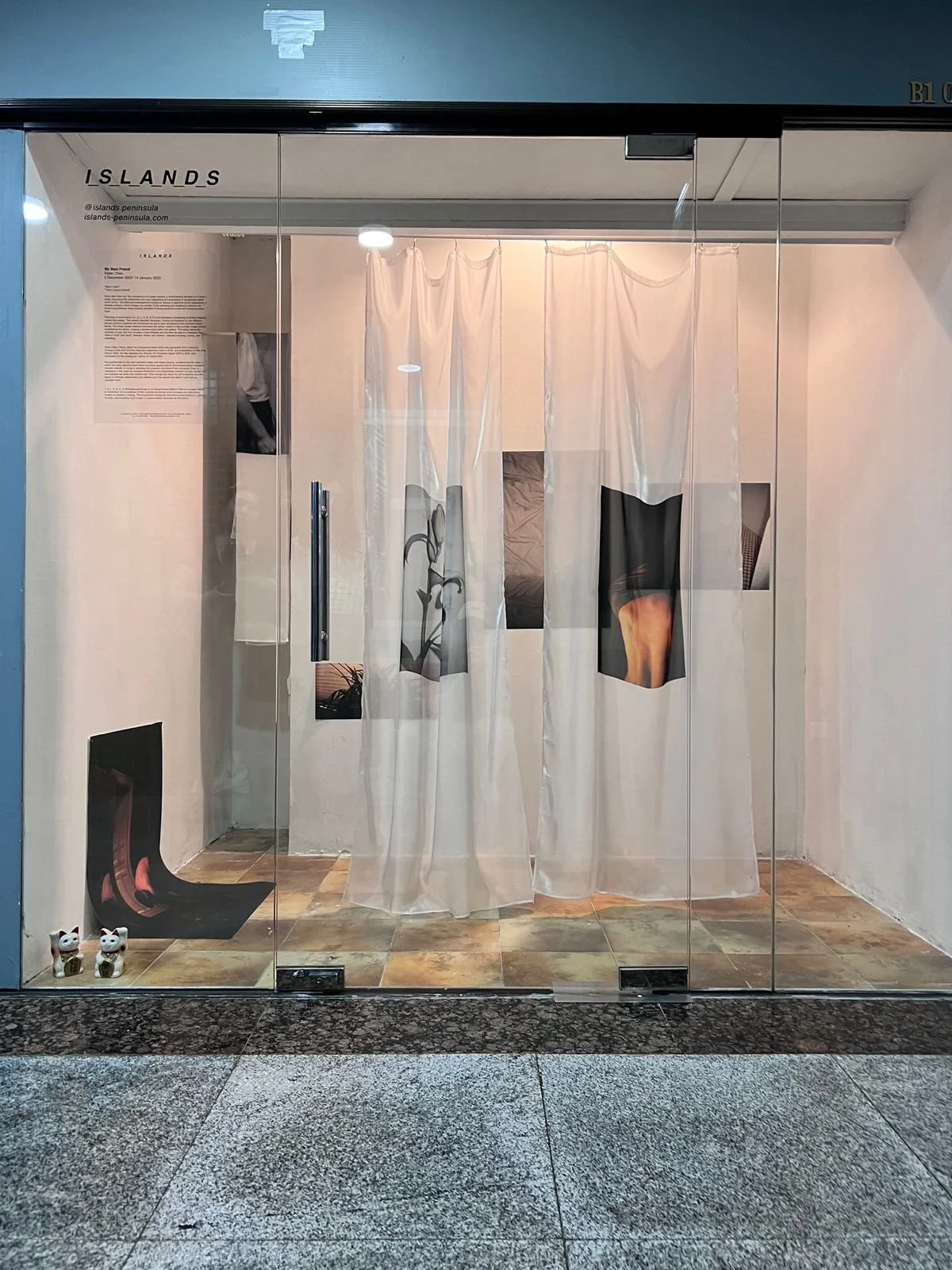
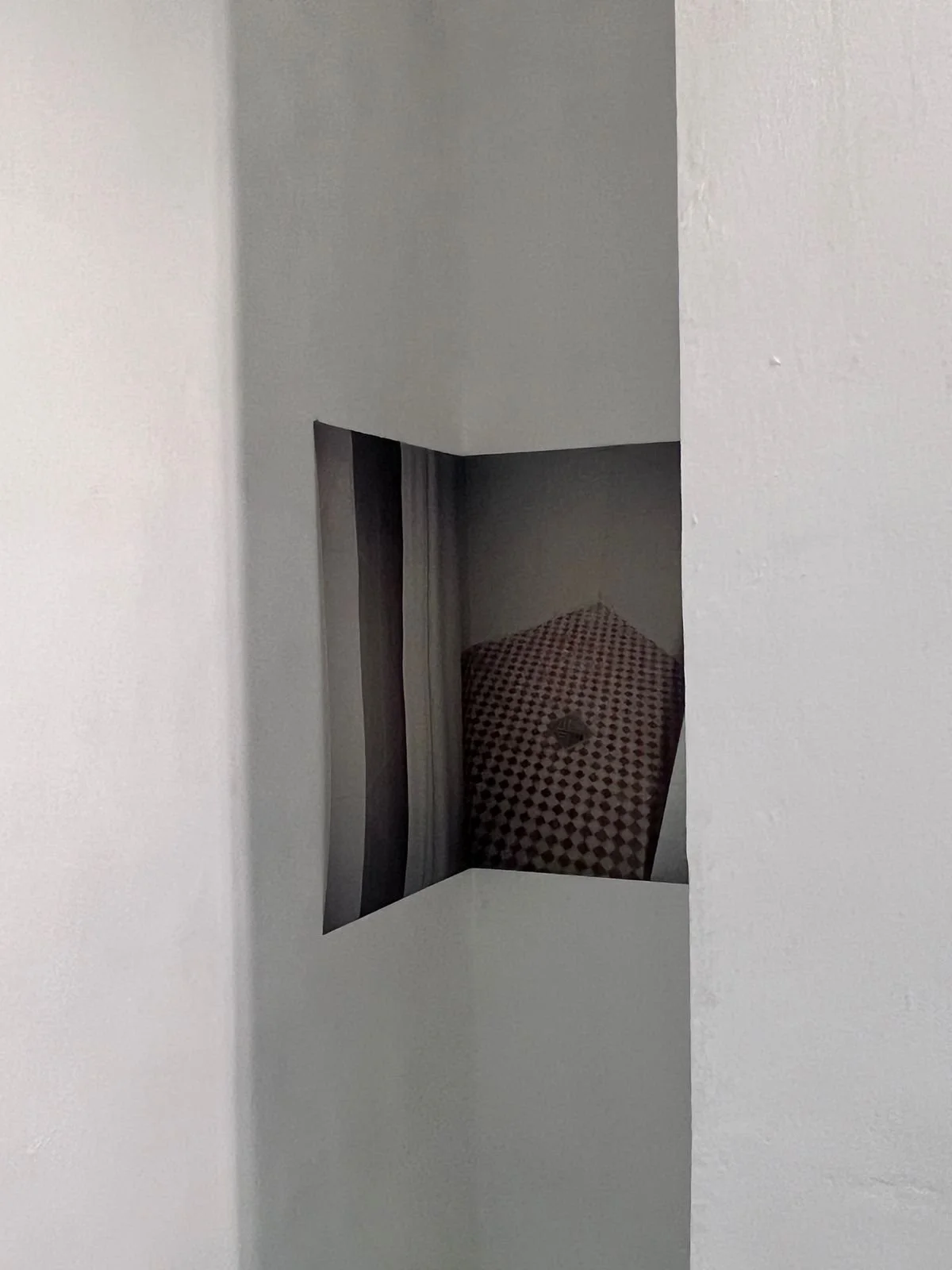
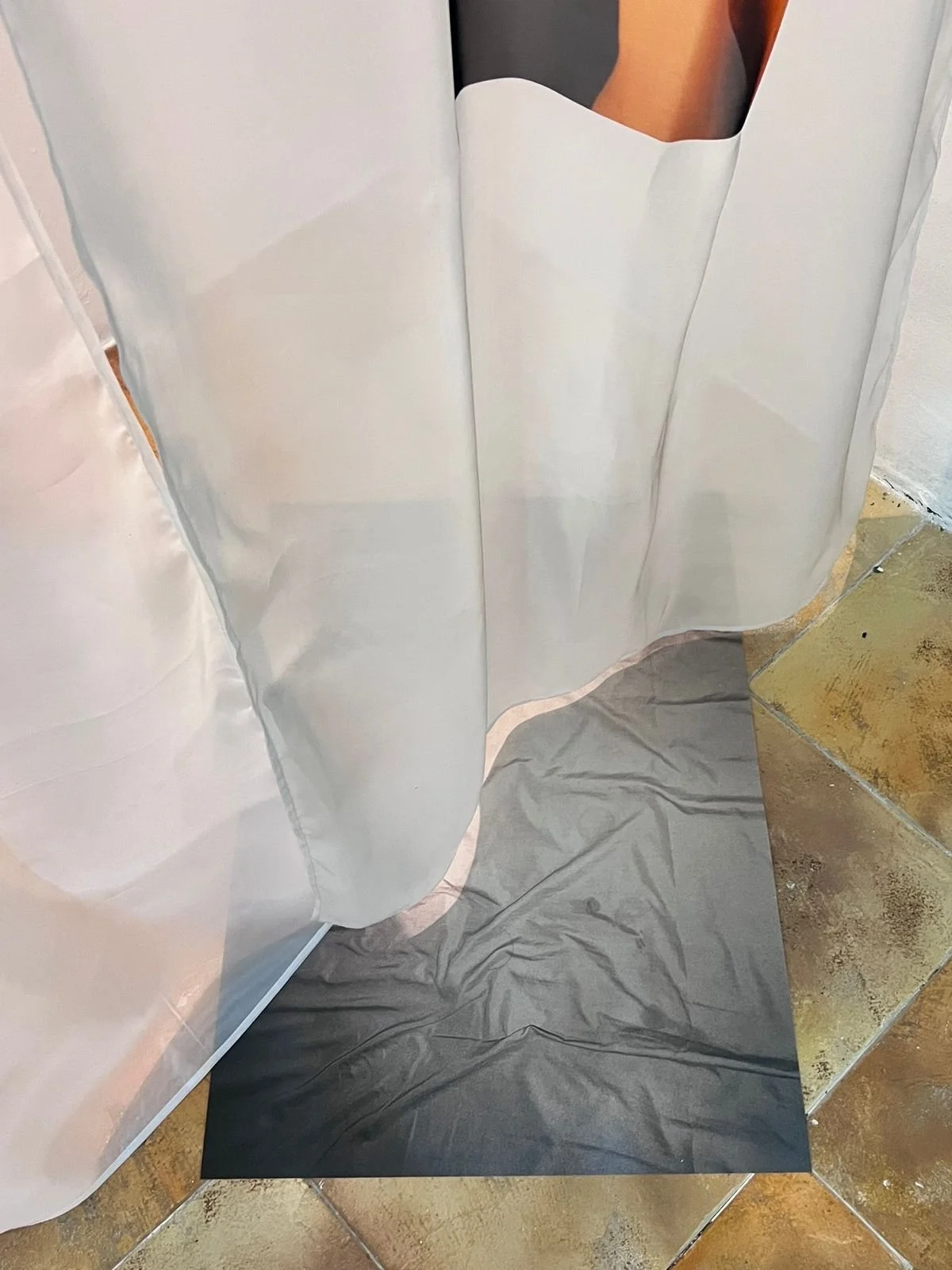
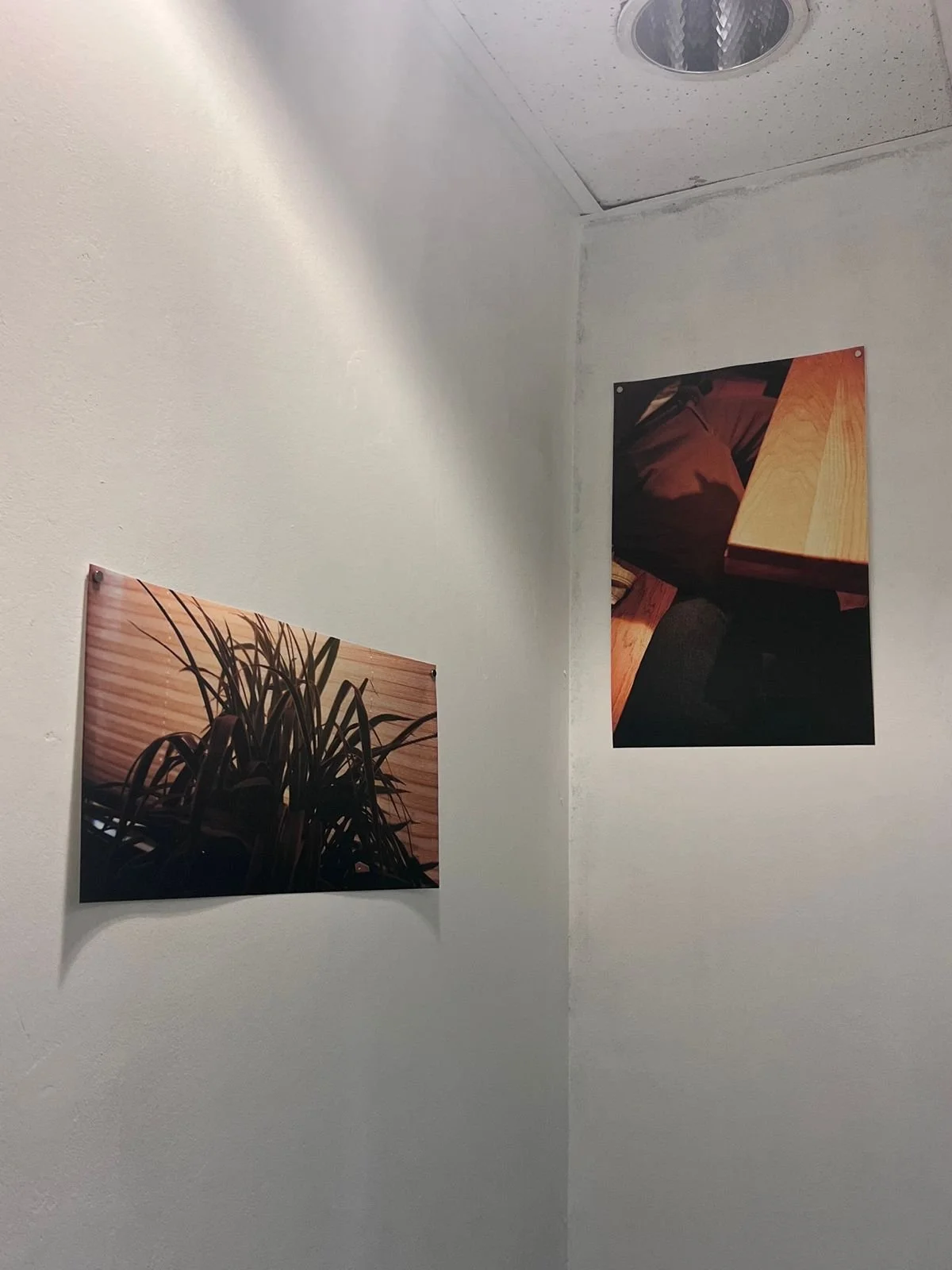
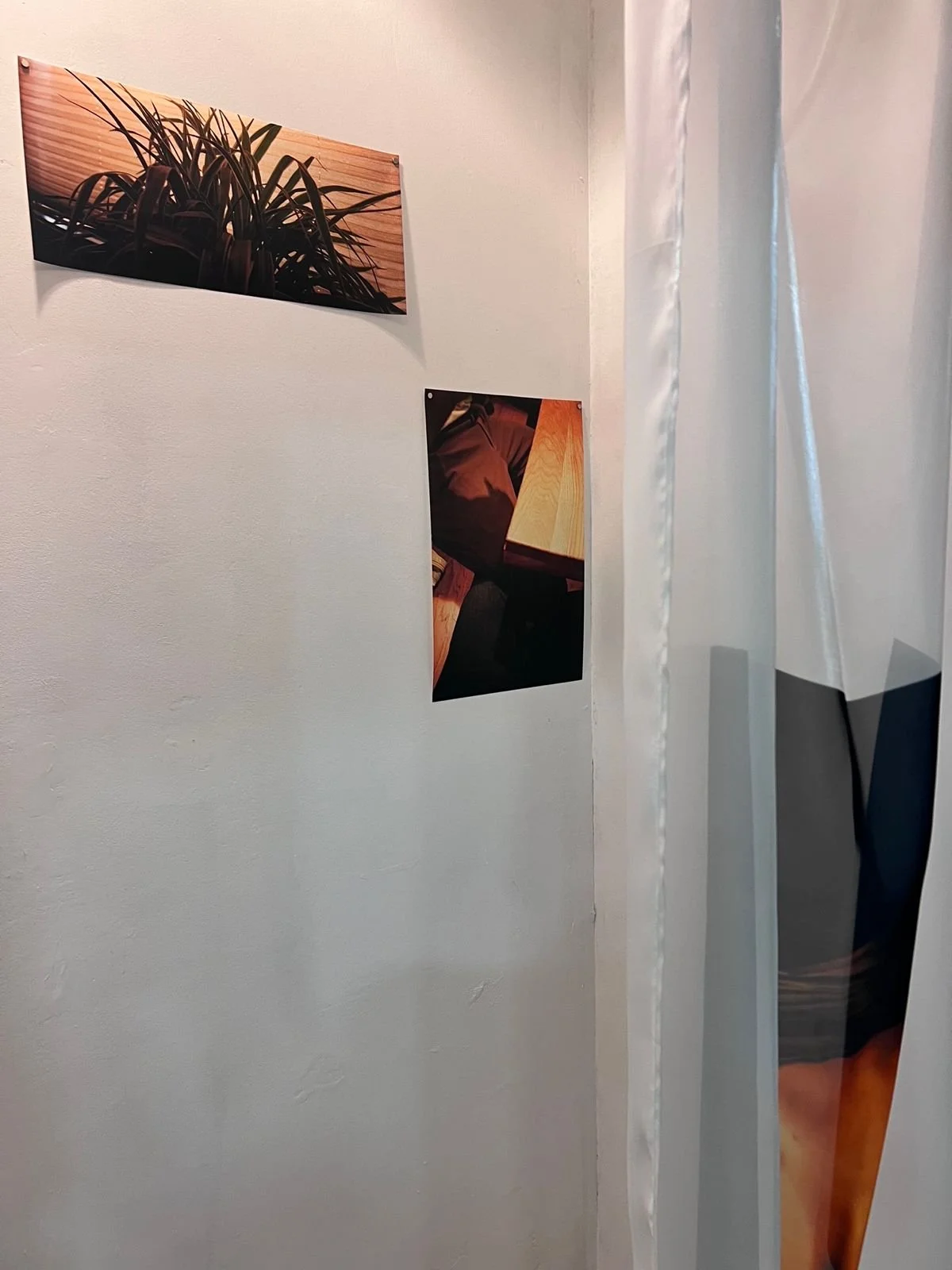
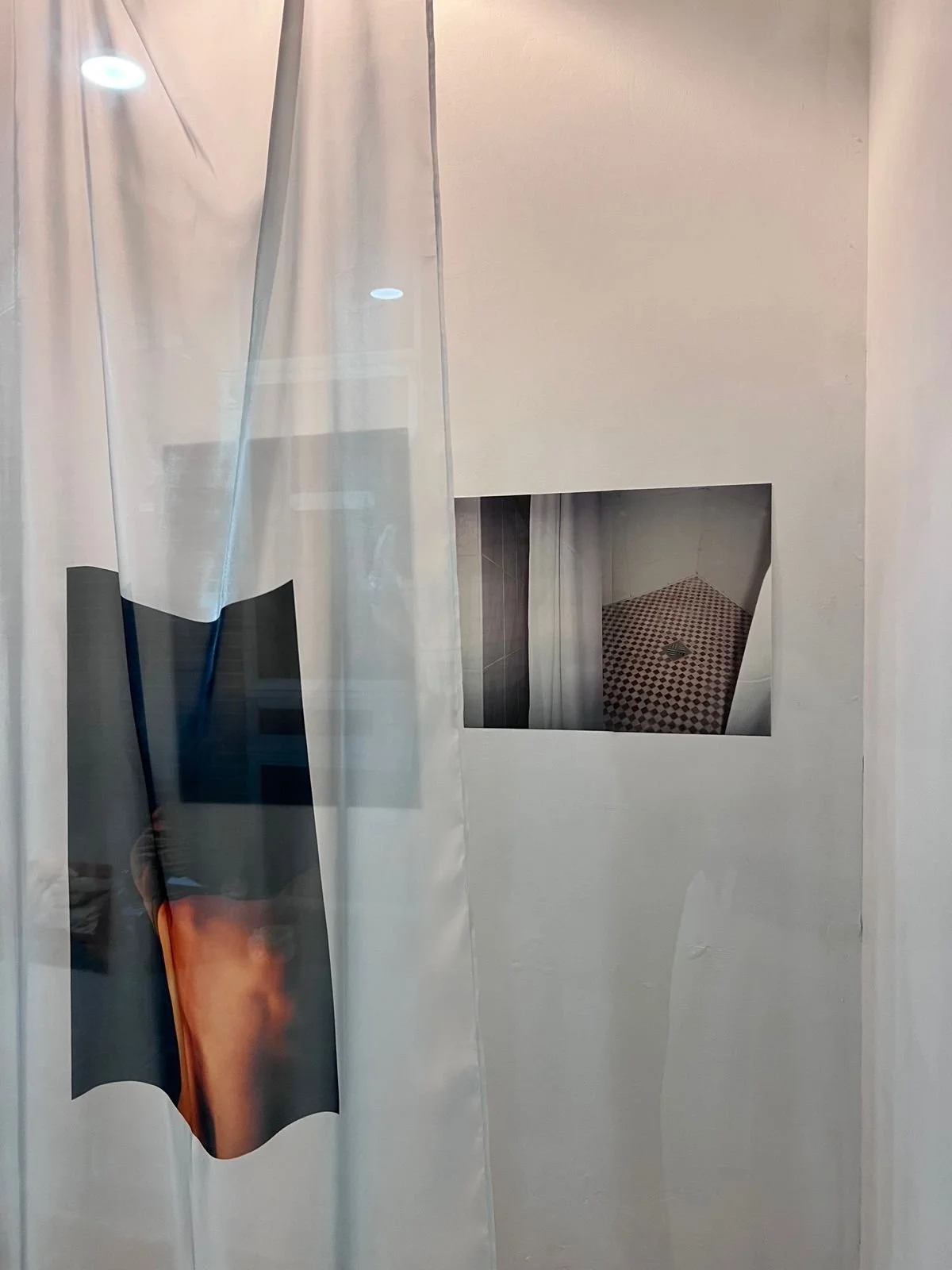
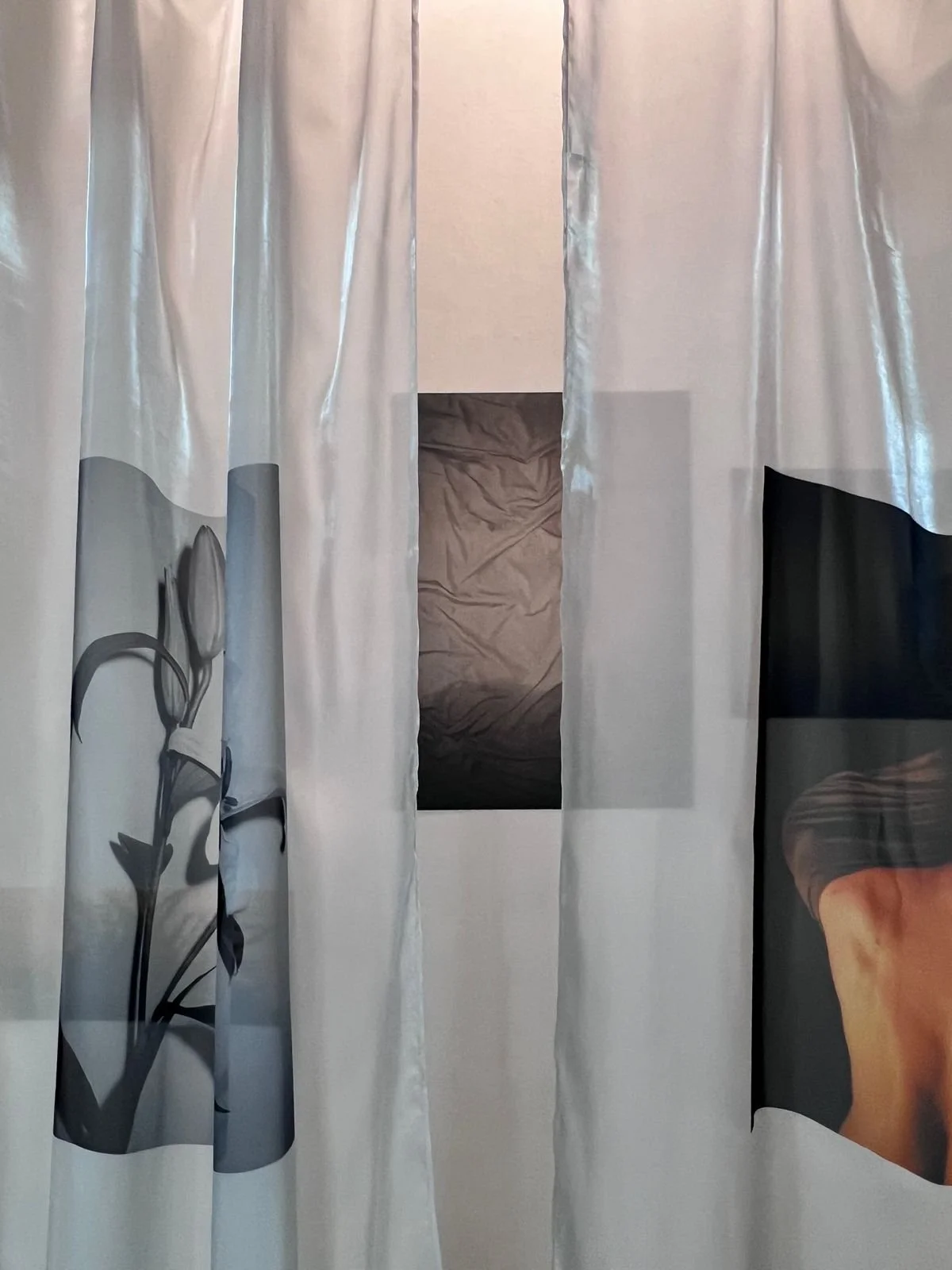
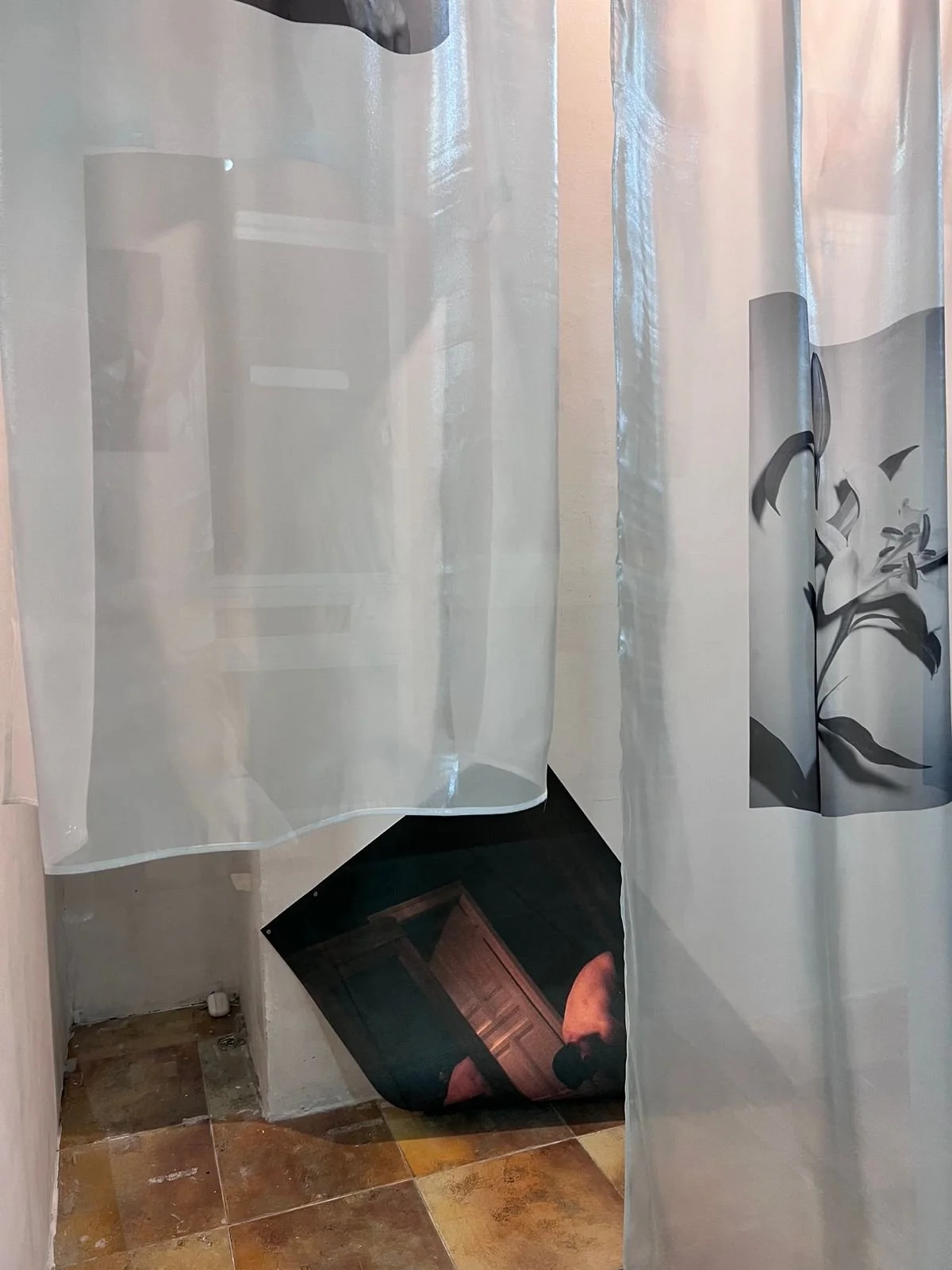
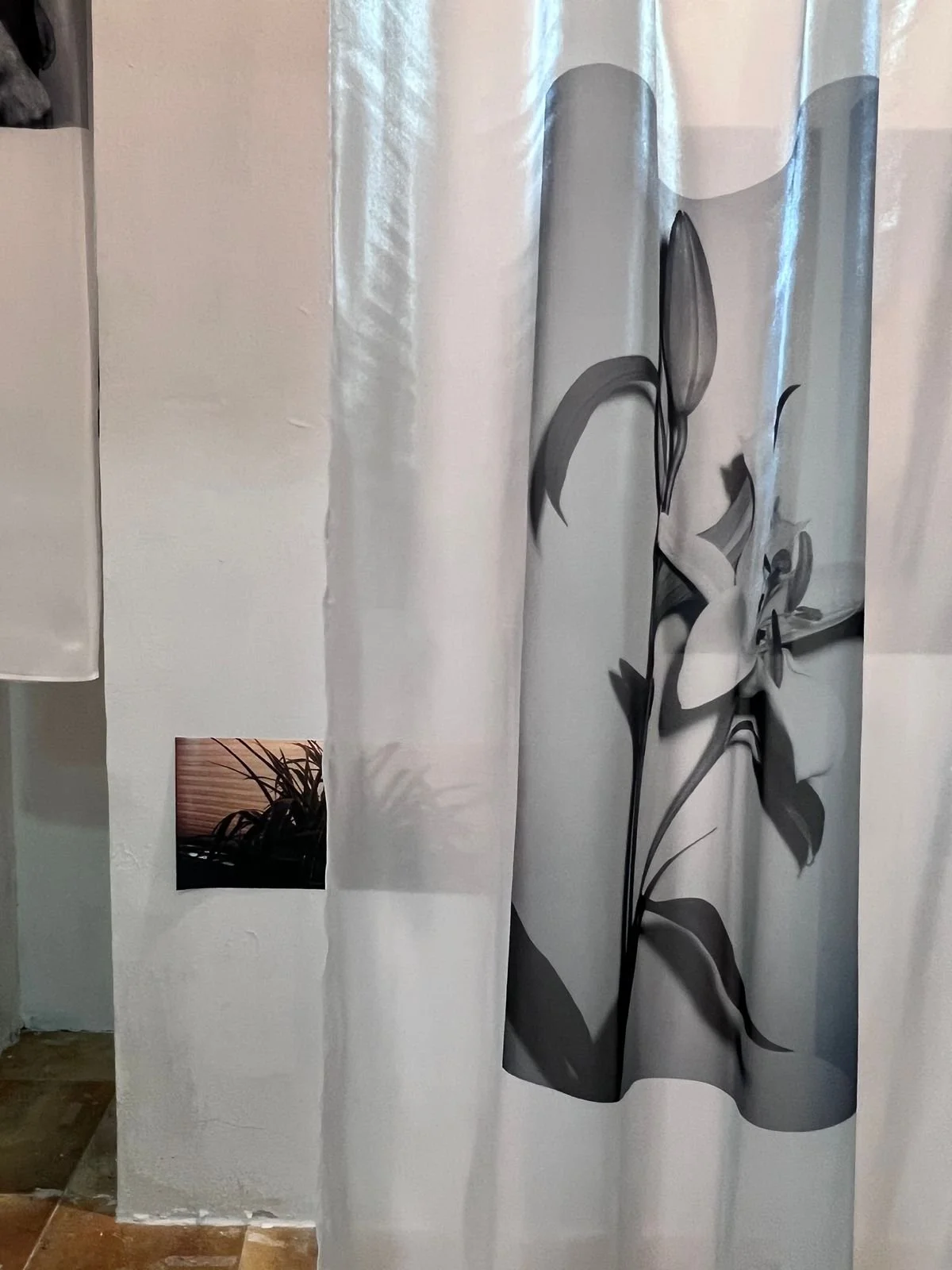
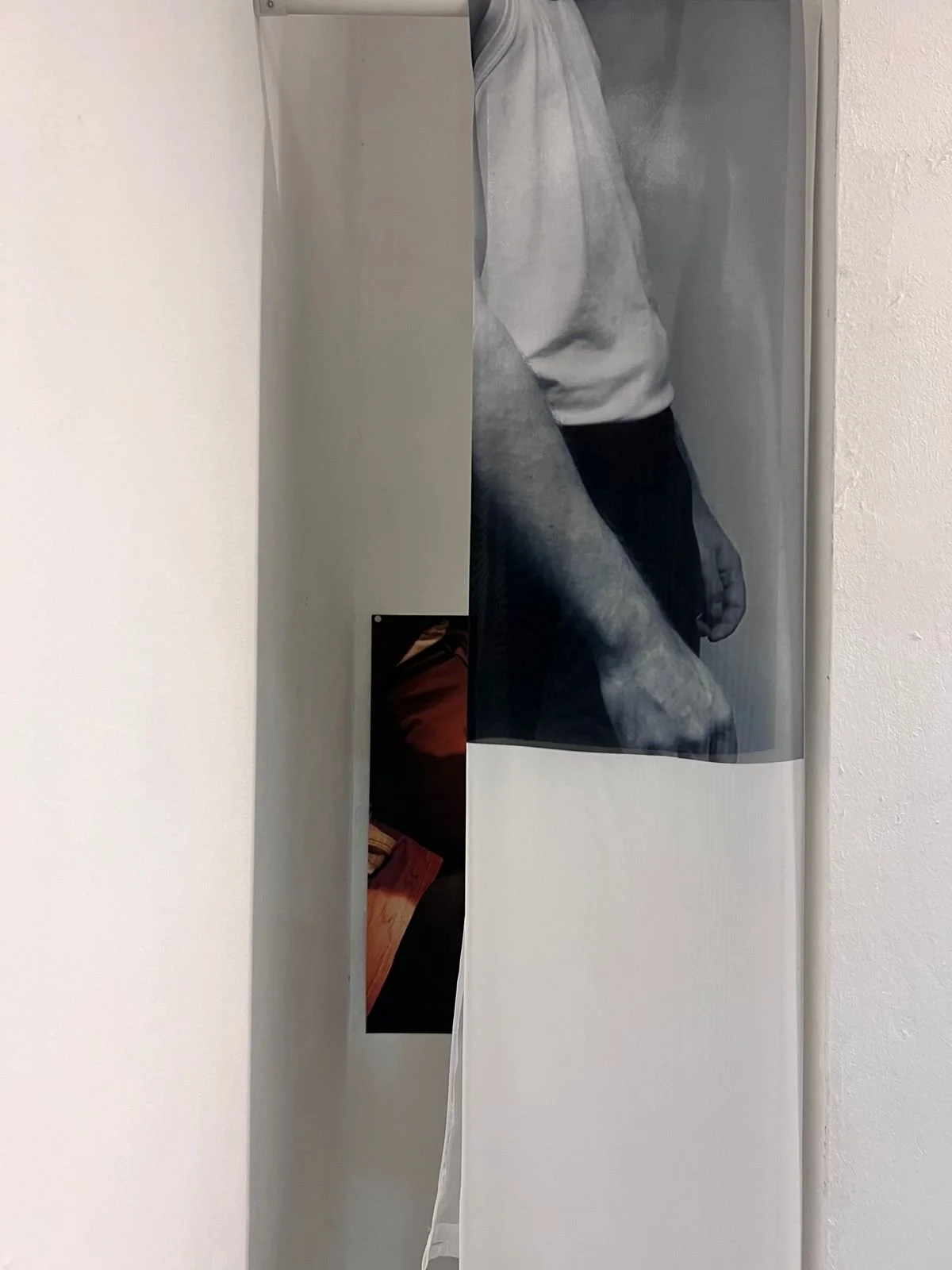
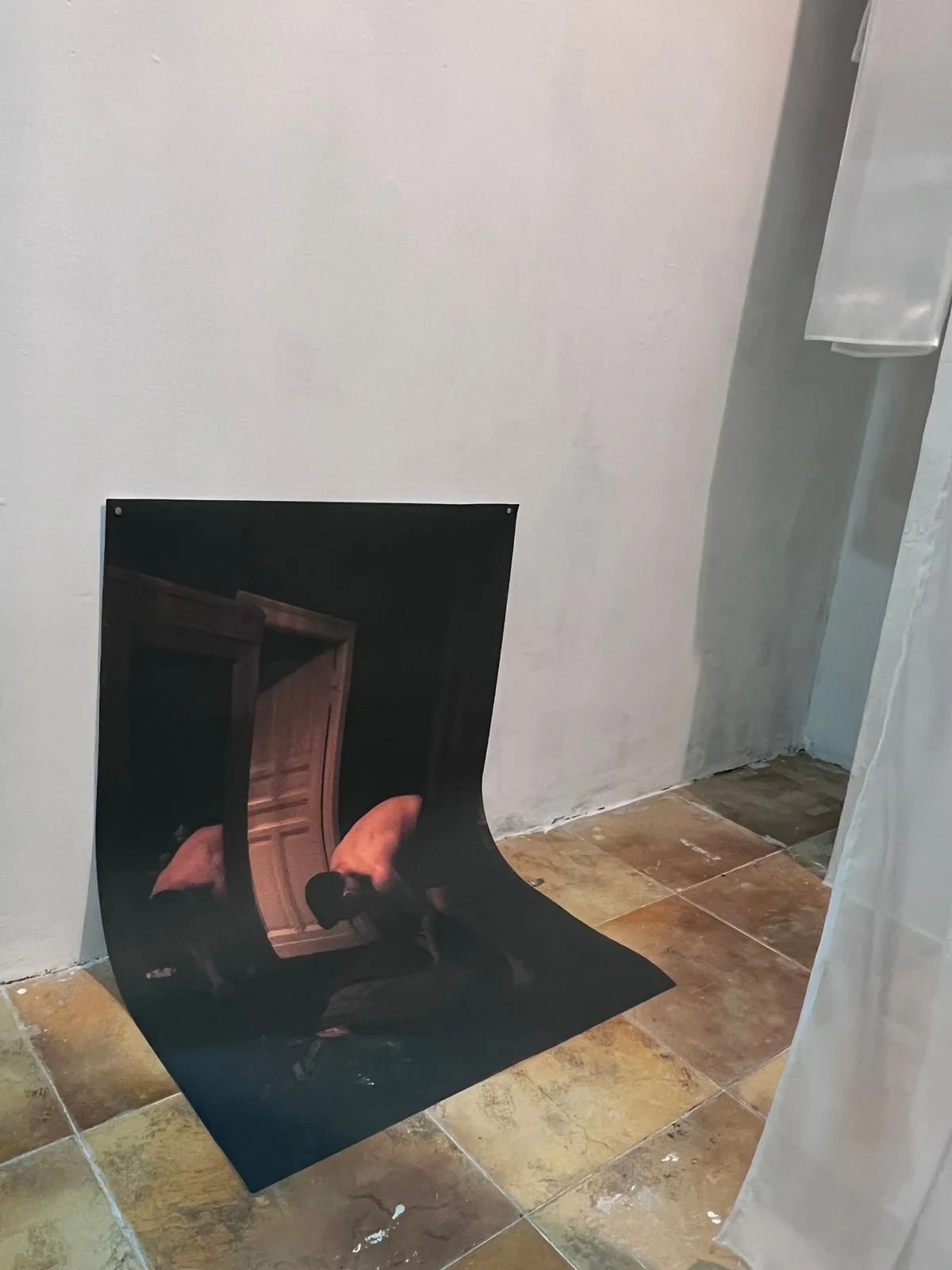
The body of work shown here is an installation comprising multiple printed organza curtain-like panels. Much like an ‘introduction’, the gesture of pulling curtains brings two panels together, this action also shields and protects. The panels resemble doorways, inviting the audience to use different access points to consider the thresholds we use to gain acceptance from someone else’s family. The sheer panels obscure the images, leaving the viewer unable to see a single image without considering the others, and also creating a private space within the gallery. This setup allows the onlooker to play with the concepts of permeability and the time we spend between the roles of ‘child’ and ‘adult’, between ‘friend’ and ‘partner’, between knowing, between seeing, and between accepting.